Skip to content
Expatriation-Maurice
Which visa or permit is right for you?

Free, 2 minutes, instant result.

Take the quiz
Free call-back request
Mauritian culture·Mauritius

Myths and legends of Mauritius

The Morne leap, Virginie, Bolom Sounga, the Pieter Both milkman, Touni Minwi: here is what people tell about the island, what is established, and the places where you can go and see for yourself.

Updated 6 November 2026

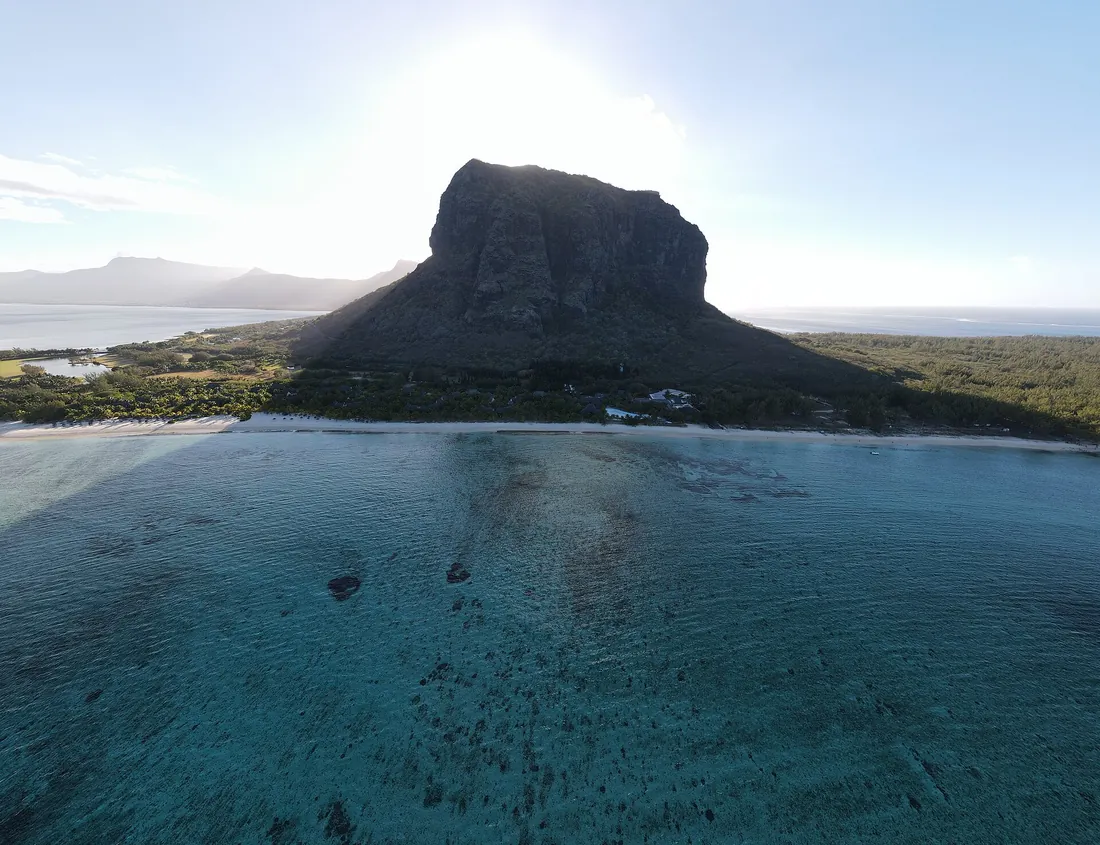
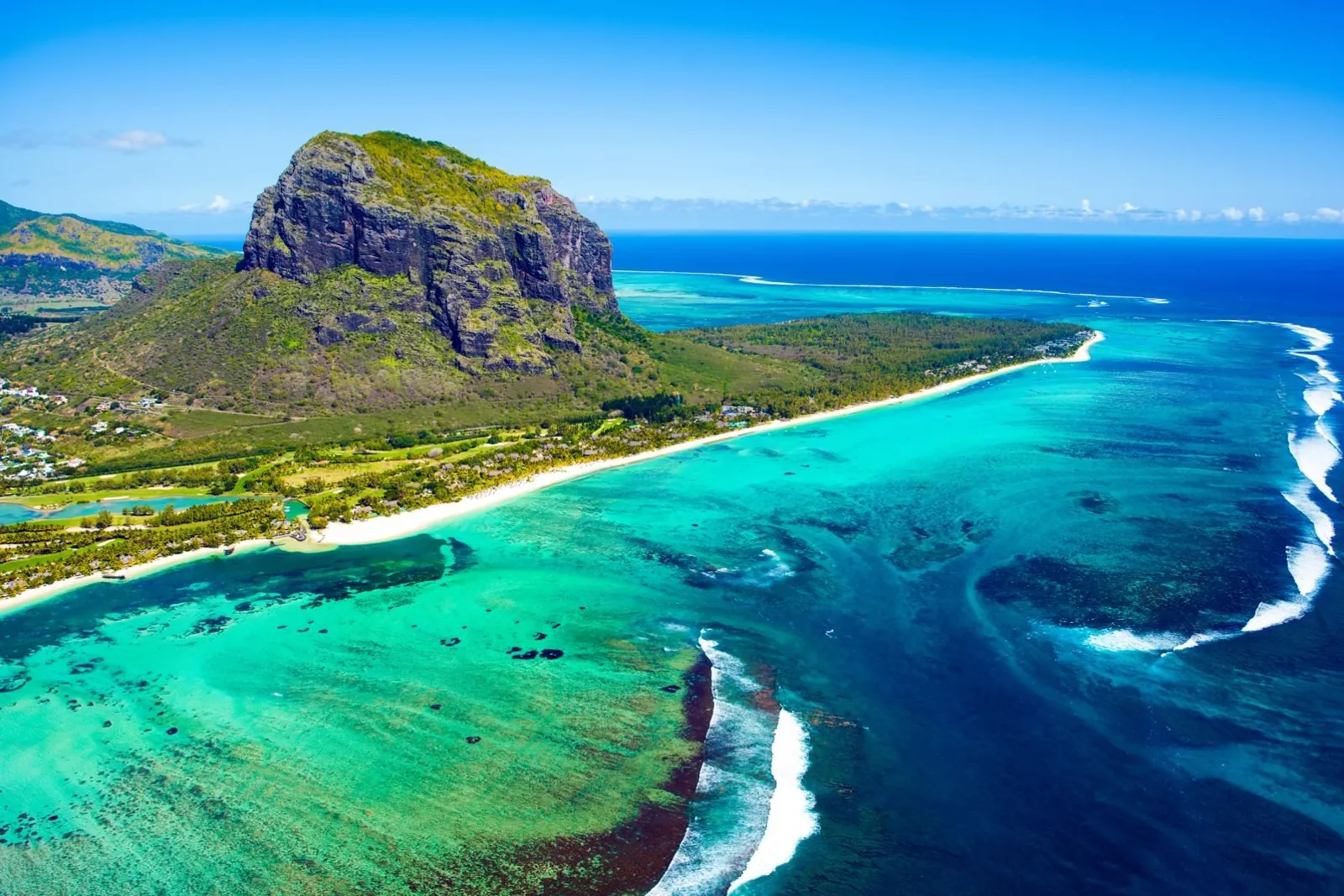
Le Morne Brabant against the light, its shadow resting on the lagoon
Le Morne BrabantUNESCO World Heritage Site since 2008
  • 9 storiestold and checked against the facts
  • 8 placesto find on the map
  • 1744the real shipwreck behind Paul and Virginie
  • 1994the Touni Minwi panic, after the cyclone
The map

Where these legends came to rest

Tap a region or a place. Bolom Sounga and Ti Albert are not there: those two have no address.

Poudre d'Or Port-Louis Pieter Both Klondike Le Morne Lallmatie Pointe du Diable Grand Bassin

The North and Port-Louis

A shipwreck and a night of panic

Key pointsSaint-Géranthe 1744 tragedy
  • Poudre d'Or, facing Ambre Island
  • Port-Louis, in the rumour of 1994

Poudre d'Or The real shipwreck behind Paul et Virginie, in August 1744, close by.

  • A stele commemorates the tragedy
  • The wreck lies at a depth of about 6 m
See its page

Port-Louis In February 1994, after the cyclone, residents patrolled there at night.

  • The rumour spreads as far as Lallmatie
  • No definitive explanation has ever been given
See its page

Worth seeing

  • The Poudre d'Or coast and its stele
  • The ship's bell, at the naval museum in Mahébourg, in the South

Good to know

  • The wreck lies about 6 m down, but nothing can be seen from the shore
  • In the capital, the legend leaves no trace to visit

Tap a region or a place: the map takes you from one legend to the next.

The stories

Which legend appeals to you?

Tap what interests you: the stories that match come first.

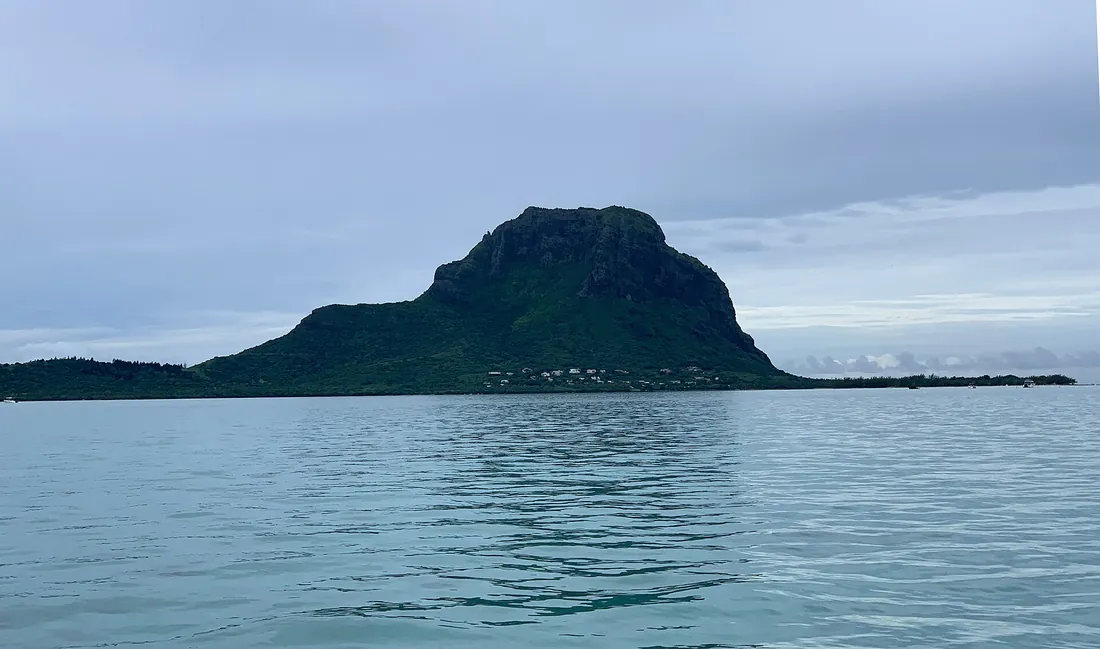
Le Morne Brabant seen from the ocean, under a hazy sky Le Morne, in the west

A real refuge, a jump never proven

Le Morne and the maroonsDid they jump from the cliff in 1835?

Runaway slaves, the maroons, found refuge around this mountain in the 18th and early 19th centuries. The legend says that after abolition, on 1 February 1835, soldiers came to announce their freedom. Believing they were being recaptured, the maroons are said to have thrown themselves into the void. The refuge is documented, and armed expeditions are recorded in 1828 and 1835. The jump itself remains an oral tale. It is also this tale that made Le Morne a symbol of freedom.

What people say
A mass jump, out of a misunderstanding
What is established
The refuge, the expeditions, UNESCO
Where
Le Morne Brabant, 556 m
Our verdict
A true story, an uncertain ending
What you can see and what you should know

To see and discover

  • The mountain, seen from the coast road or the lagoon
  • The hike, with a recommended guide
  • The Slave Route Monument, at the foot of Le Morne

Good to know

  • The site has been on the UNESCO list since 2008 as a testimony to marronage
  • We found no source that confirms the leap as fact
  • The abolition is commemorated every 1 February at the foot of the mountain
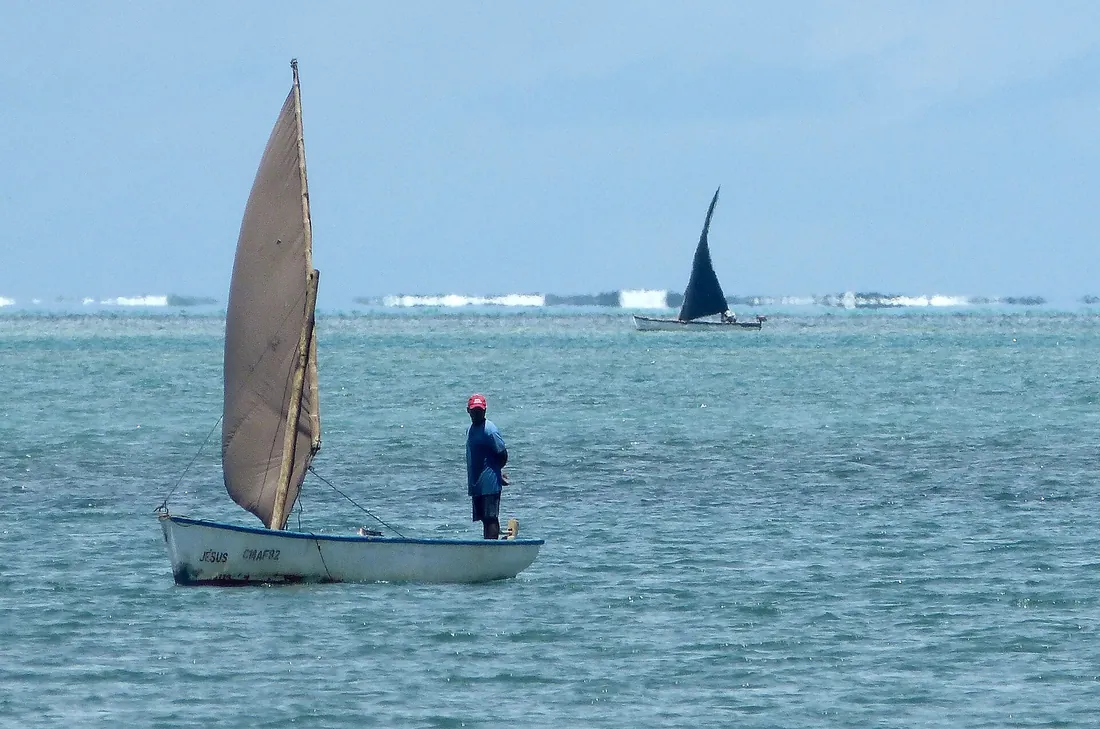
Fishermen on a sailing pirogue, on the reef off Poudre d'Or Poudre d'Or, in the north-east

A news item turned myth

Paul and Virginie, the Saint-GéranThe shipwreck is true, Virginie is not

On the night of 16 to 17 August 1744, the Saint-Géran, a ship of the Compagnie des Indes, sank near Ambre Island. Only nine people survived. Bernardin de Saint-Pierre, who was on the island from 1768 to 1770, made it the ending of his novel, published in 1788. He invented the love story and Virginie. Her death is nonetheless inspired by a real passenger, Louise Caillou, aged 20, who is said to have refused to take off her dress to save herself.

What people say
Virginie drowns out of modesty
What is established
The shipwreck, the survivors, the wreck
Where
Ambre Island, Poudre d'Or
Our verdict
A real shipwreck, an invented novel
What you can see and what you should know

To see and discover

  • The Poudre d'Or stele, erected in 1944
  • The ship's bell, at the naval museum in Mahébourg
  • The wreck, on a dive site at a depth of about 6 m

Good to know

  • Divers found the wreck in the 1960s, and an expedition confirmed it in 1979
  • The ship was also carrying equipment for a sugar mill and 25,000 silver piastres
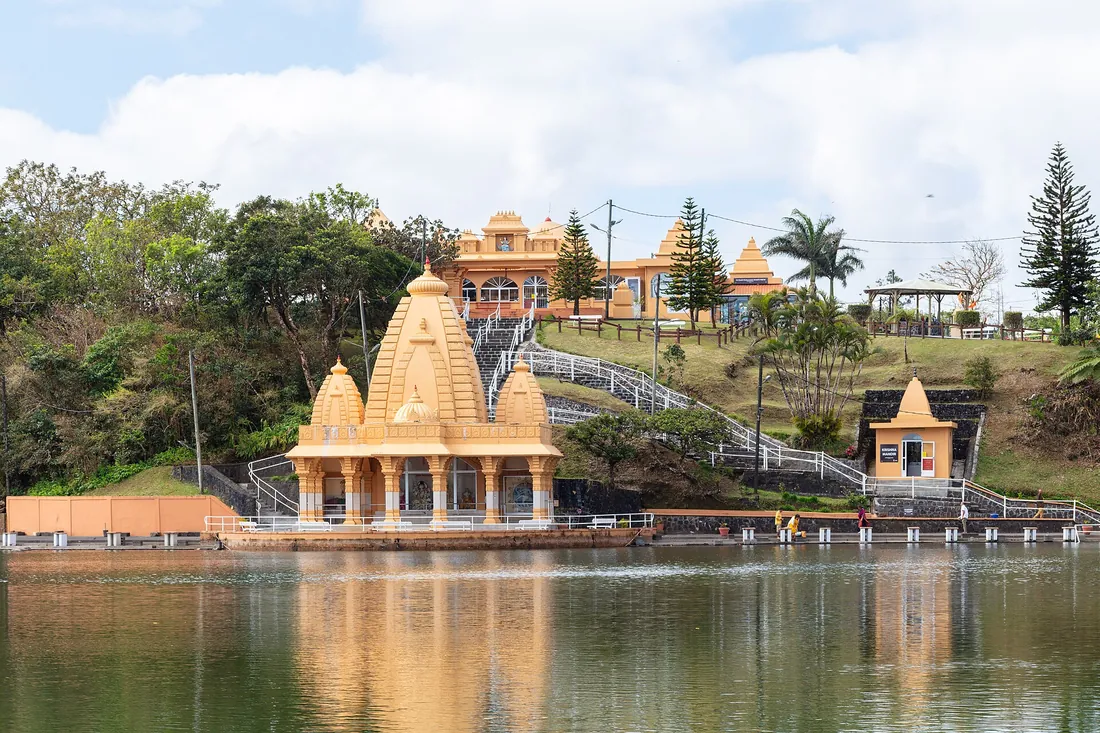
Light-coloured Hindu temple on the shore of Grand Bassin lake, reflected in the water Savanne, in the highlands

A living faith, not a curiosity

Grand Bassin, the sacred lakeThe lake linked to the Ganges by a dream

A priest from Triolet, Pandit Jhummun Giri, is said to have seen in a dream the waters of this lake springing from the Ganges. Sources place this dream or the first pilgrimage between 1887 and 1898. The lake was then called Pari Talao, the lake of the fairies, who are said to have danced there at night. In 1972, Prime Minister Sir Seewoosagur Ramgoolam mixed Ganges water into it and renamed it Ganga Talao. This account is a matter of faith: there is nothing to untangle, only to respect.

What people say
A dream links the lake to the Ganges
What is established
The pilgrimage, the name given in 1972
Where
Grand Bassin, Savanne
Our verdict
An account of faith, dates vary
What you can see and what you should know

To see and discover

  • The temples and the lake, open to respectful visitors
  • The Maha Shivaratri pilgrimage, often made on foot

Good to know

  • The dates of the dream vary between sources, so don't take them literally
  • Another account speaks of drops of the Ganges that fell by accident from Shiva
An old yellowed map, a brass compass and a spade on the sand, at the foot of black rocks Klondike, Belmont and Réunion

Real digs, a treasure still not found

The pirate treasuresPlenty of holes, no loot reported

The most famous, La Buse, was not hanged in Mauritius but at Saint-Paul, in Réunion, on 7 July 1730. His cryptogram, published only in 1934, has set generations of researchers searching, and some see it as nothing more than a hoax. In Mauritius, the digging has mostly been at Klondike, near Flic-en-Flac, at least in 1902, 1912 and 1940. A plan attributed to the pirate Nageon de l'Estang also had Belmont dug up for 20 years, without success.

What people say
Chests hidden on the island
What is established
The digs and the pirates themselves
Where
Klondike, Belmont
Our verdict
Treasure never proven
What you can see and what you should know

To see and discover

  • A photo of a treasure hunt in 1908 at Klondike
  • Denis Piat's book, Pirates & Privateers in Mauritius

Good to know

  • No discovery at Klondike was announced in anything we read
  • Never dig without permission: the land always has an owner
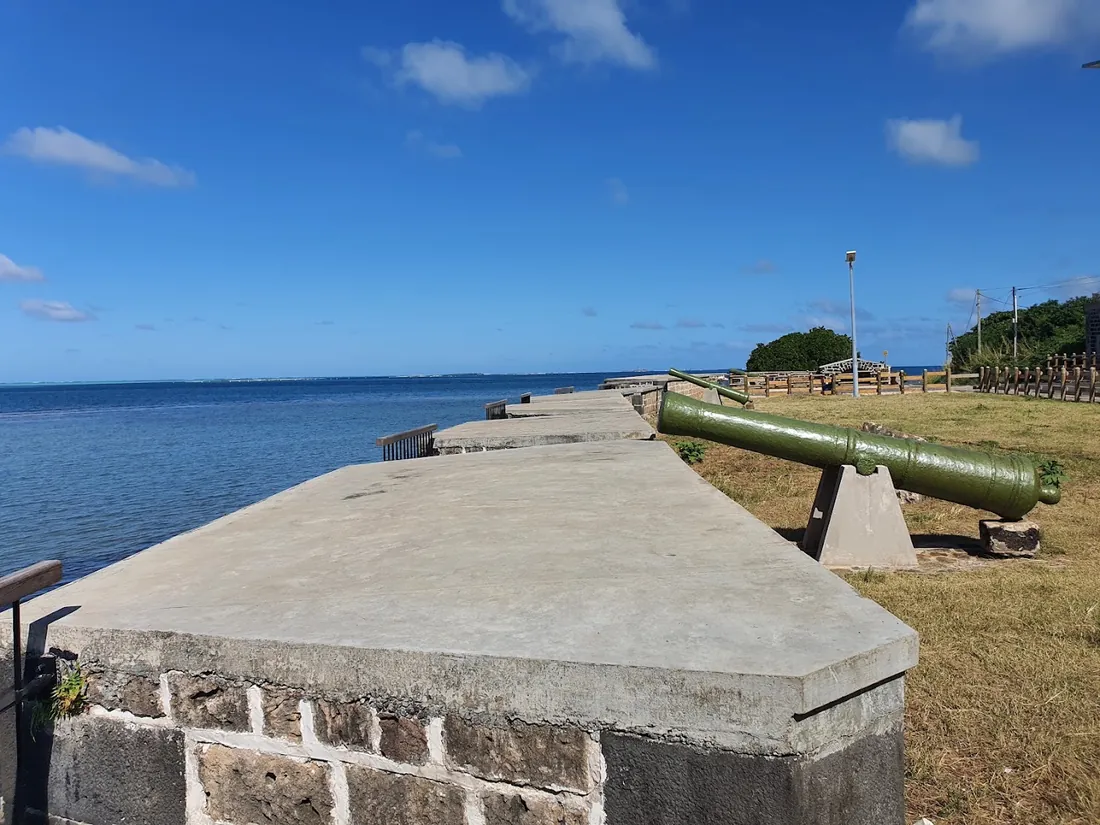
Old cannon set behind the rampart at La Pointe du Diable, facing the sea, under a blue sky Grand Sable, in the east

Very real cannons, a devil yet to be proved

La Pointe du DiableWhy the name?

Several cannons and restored fortifications line the coast here for about 250 metres. Two explanations for the name are in circulation. In the first, ships' compasses went haywire as they approached, as if bewitched, because of the metal in the mountain. In the second, it was the dangerous currents that gave the place its reputation. No source allows us to decide between them.

What people say
The devil threw compasses off
What is established
The battery and its cannons
Where
Grand Sable, east coast
Our verdict
A name with no certain explanation
What you can see and what you should know

To see and discover

  • An easy stop beside the coast road
  • The cannons, facing the open sea

Good to know

  • The battery defended the south-east of the island against the British
  • The compass story comes from a single source only
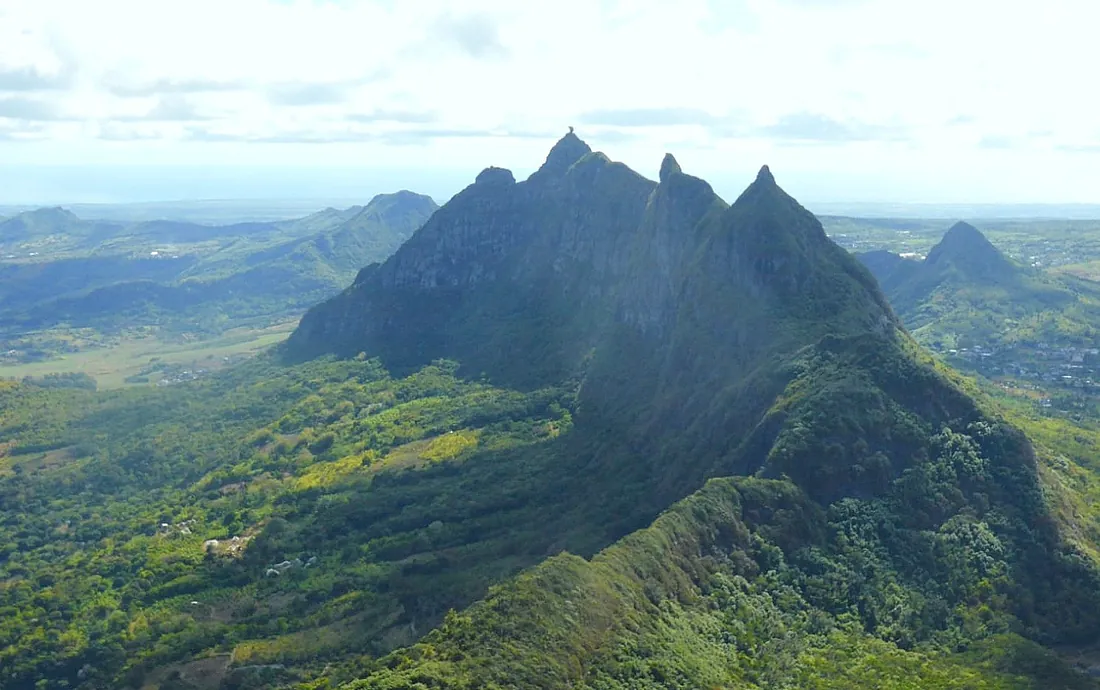
The Pieter Both mountain and its green ridges, seen from the sky Crève-Cœur, in the centre

A pure legend, with a very real rock

Pieter Both and the milkmanThe head at the top of the mountain

A milkman from Crève-Cœur takes a shortcut over the mountain, falls asleep and wakes to find fairies dancing and singing. They make him swear to keep quiet. He tells all his friends, and the fairies turn him to stone: this is the rock at the summit, which looks like a human head. The mountain itself bears the name of the first Governor-General of the Dutch East Indies, who died in a shipwreck near the island in 1615.

What people say
A milkman turned to stone
What is established
The mountain, the rock, the name
Where
Crève-Cœur, 820 m
Our verdict
Pure legend
What you can see and what you should know

To see and discover

  • The silhouette, recognisable from afar
  • A climb known since 1832, for experienced walkers

Good to know

  • The block at the summit is about 9 m across
  • One tourist site sees it rather as the lair of a sleeping giant
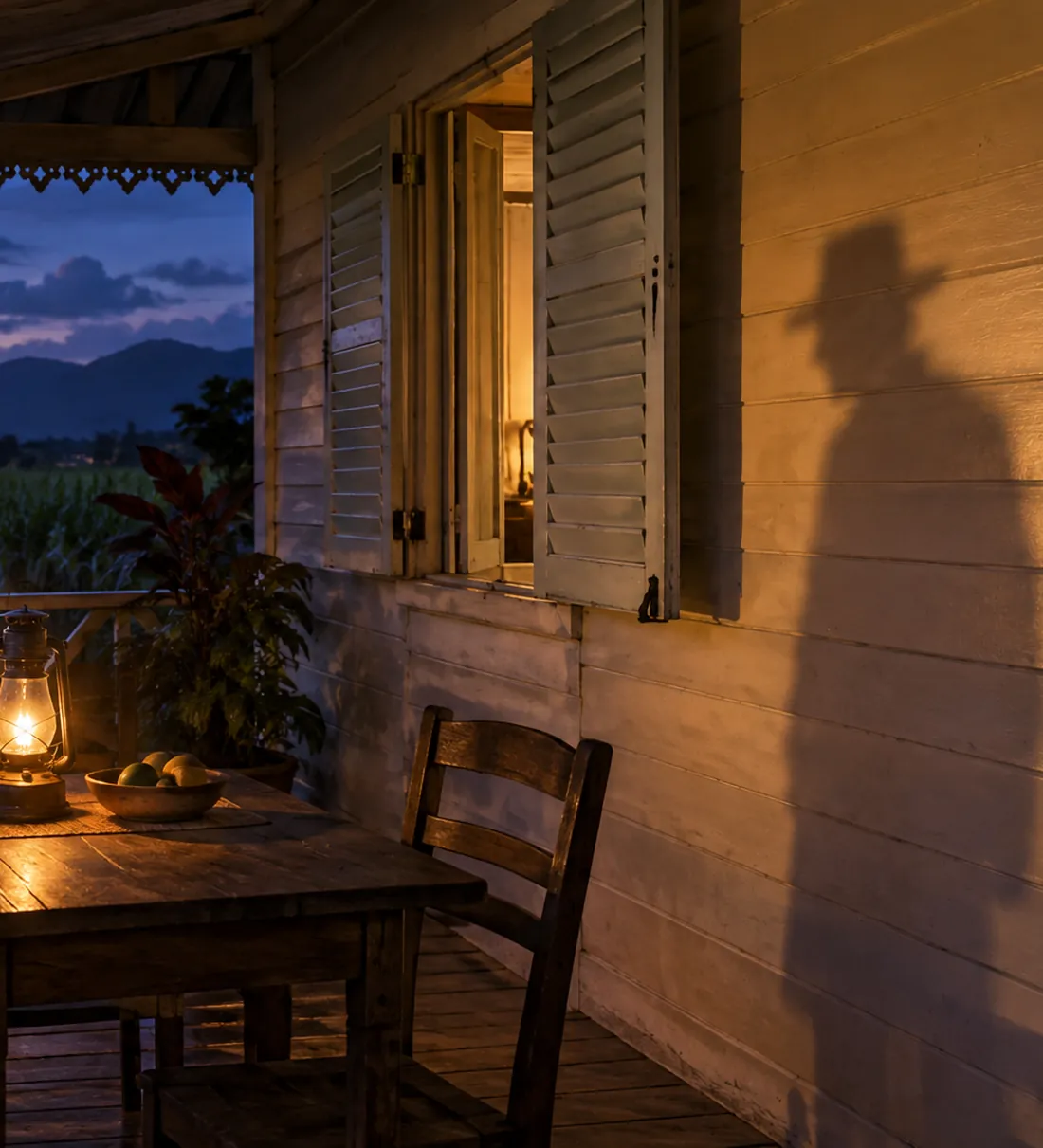
Shadow of an old man in a hat on the wall of a Creole veranda in the evening, near a lamp All over the island

The name many heard as small children

Bolom SoungaThe bogeyman of Mauritian children

"Be careful, Bolom Sounga will come and get you!" That is how you most often meet him: from the lips of a parent or grandmother. He carries off children who disobey, and his name was often enough to calm the most restless ones. Nobody agrees on what he looks like: a monster for some, a mysterious old man for others. So everyone keeps their own picture of him in mind.

What people say
He carries off disobedient children
What is established
The use of the name, nothing more
Where
No specific place
Our verdict
A family bogeyman
What you can see and what you should know

To see and discover

  • A subject that gets your Mauritian neighbours talking
  • Storytellers still retell it, on video in particular

Good to know

  • We could not find where the word "sounga" comes from
  • A poem by Khal Torabully mentions it, and its translator describes it as the bogeyman of Mauritius
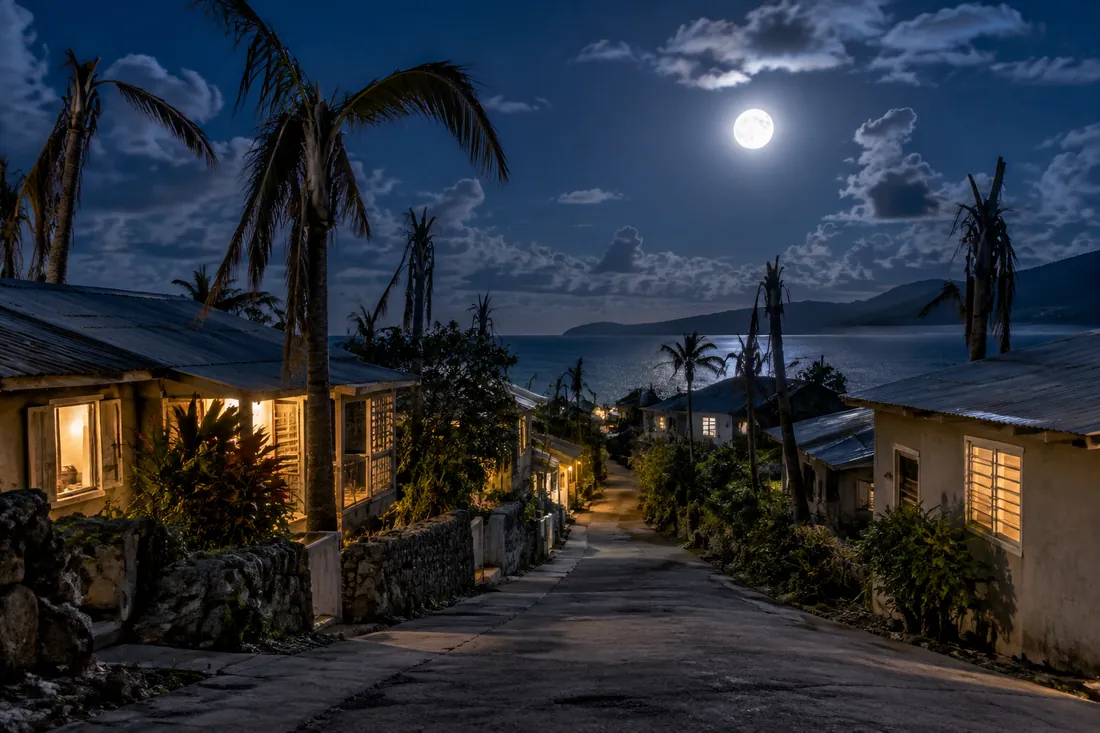
Village street with corrugated-iron roofs under a full moon, palm trees damaged after a cyclone From Port-Louis to Lallmatie

The panic is a fact, the creature is not

Lougarou and Touni MinwiThe night the island got scared

The Lougarou, a werewolf from French and African traditions, comes out at full moon. Touni Minwi, "naked at midnight", is more recent. He appears in February 1994, after Cyclone Hollanda, on an island without electricity. He is said to have leapt from roof to roof and visited women in their homes. From Port-Louis to Lallmatie, residents organised patrols. People talked of a prankster, a burglar, mass hysteria. No definitive explanation followed.

What people say
A naked creature, roof to roof
What is established
The cyclone, the panic, the patrols
Where
Port-Louis, Lallmatie
Our verdict
The rumour is real, the creature never proven
What you can see and what you should know

To see and discover

  • In Lallmatie, people already told of the carriage: two women in white on two white horses, around midnight
  • The show Hollanda, by Avildseen Bheekhoo, draws on it

Good to know

  • Some pages give other years: 1994 is the date that comes up most often
  • Protection against the Lougarou is said to come from a longaniste or a traiteur
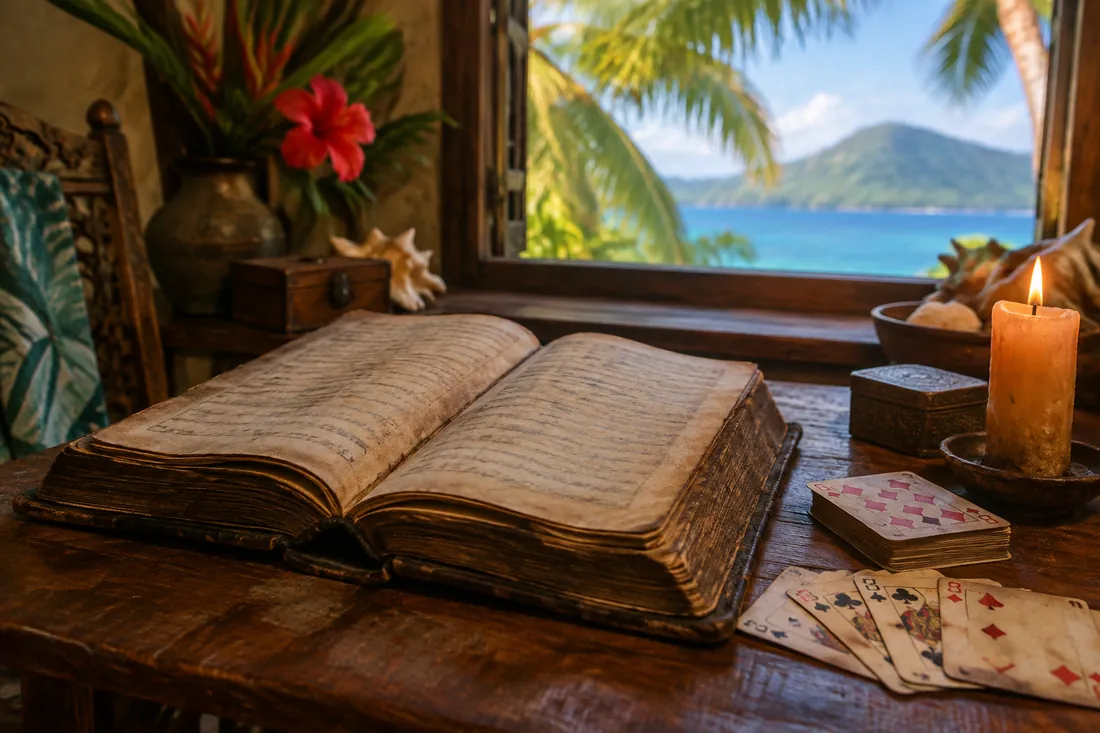
Old book of magic open on a table, next to playing cards and a candle Mauritius, Rodrigues, Réunion

A belief, to be looked at with respect

Ti Albert and the longanistesThe book of magic and the people consulted

Ti Albert is the Petit Albert, an old French book of magic, which here has become a figure with many versions, even in Rodrigues and Réunion. It even gave its name to a local card game. The longanistes, on the other hand, are very real: people still consult them, especially in rural areas, about a health, money or love problem. These beliefs blend African, Malagasy, Indian, Chinese and European traditions.

What people say
A book with magical powers
What is established
The book, the game, the practice
Where
The whole island
Our verdict
A belief, to be respected
What you can see and what you should know

To see and discover

  • The card game Tit' Albert Dan Vilaz
  • Another side of Mauritian culture, far from the beaches

Good to know

  • The subject remains private for many families: listen, and don't mock
  • The press also reports scams: be wary if you are asked for money in exchange for a promised result
At a glance

True, invented or unproven

Our reading of each story, based on what we were able to read in November 2026.

The storyOur verdictPlace to see
The Maroons' refuge at Le Morne18th and early 19th centuryTrue Yes
The collective leap of 1835Oral account, no archive foundNot proven Yes
The wreck of the Saint-GéranNight of 16 to 17 August 1744True Yes
Virginie on boardInspired by Louise CaillouInvented
The priest's dream at Grand BassinBetween 1887 and 1898, depending on the sourceStory of faith Yes
Digs to find a treasureKlondike, 1902, 1912, 1940True
La Buse's treasure in MauritiusHanged in Réunion in 1730Never proven
The cannons of Pointe du DiableFortifications restoredTrue Yes
The faulty compassesA single sourceNot proven Yes
Pieter Both's milkmanTurned to stone by fairiesLegend Yes
The Touni Minwi panicFebruary 1994True
The creature itselfNo known proofNot proven
Bolom SoungaHe carries off disobedient childrenLegend
Atlantis, King KabilNo reliable source foundBest forgotten

"Not proven" does not mean false: we simply have not found any source that confirms it. If you have a document or a family memory, we would be glad to read it.

The evening stories

Riddles and tales, the true oral tradition

Before the legends of places, there are the evenings when people answer one another. Some of the formulas are still passed down.

Sirandane! Sampek!

The riddle

The storyteller calls out and the audience answers. "Dilo dibout?", standing water: it is sugar cane. The spelling varies from one source to another.

1888 in Paris

Baissac's tales

Charles Baissac published Le Folk-lore de l'Île-Maurice, in Creole and French. In it, Zean and Zeanne flee from an ogre, the "bonhomme loulou".

Ti Lapin the cunning one

The trickster

Facing the Tiger, who is stronger than him, the Hare gets out of trouble by cunning. He is a character found throughout a whole cycle of tales.

Mové zyé the evil eye

Small beliefs

Don't point at the moon, don't sweep after sunset: someone may tell you this with a smile, and sometimes not.

Also talked about

Other stories, less well documented

We have only read these three on a single website, with no older source. Take them for what they are.

The White LadyMahébourg, Chamarel, Vacoas lakeOn the road

She appears at the side of lonely roads, and you only see her again in the rear-view mirror.

The mermaidsÎle aux BénitiersOut at sea

Said to be the souls of shipwrecked sailors, they sing not to lure fishermen but to warn them.

The ghost cannonsVieux Grand PortAt night

People say you can still hear, far away, the cannon fire of the 1810 battle.

Good to know

Four habits for talking about them locally

These stories belong to families and communities. They are happily shared if you listen well.

  • Grand Bassin is a place of worship. Dress properly, be discreet during the rites, and be very patient on the road during Maha Shivaratri.
  • Le Morne is tied to slavery. It is a place of remembrance as much as a beautiful mountain. A guide is recommended for the climb.
  • Listen, don't mock. A person can laugh about it and believe in it a little at the same time. Asking "and what stories did they tell where you grew up?" opens more doors.
  • Nothing to pay for a legend. If someone offers you a treasure to finance or a spell to lift in exchange for money, walk away.

The island's most beautiful beaches

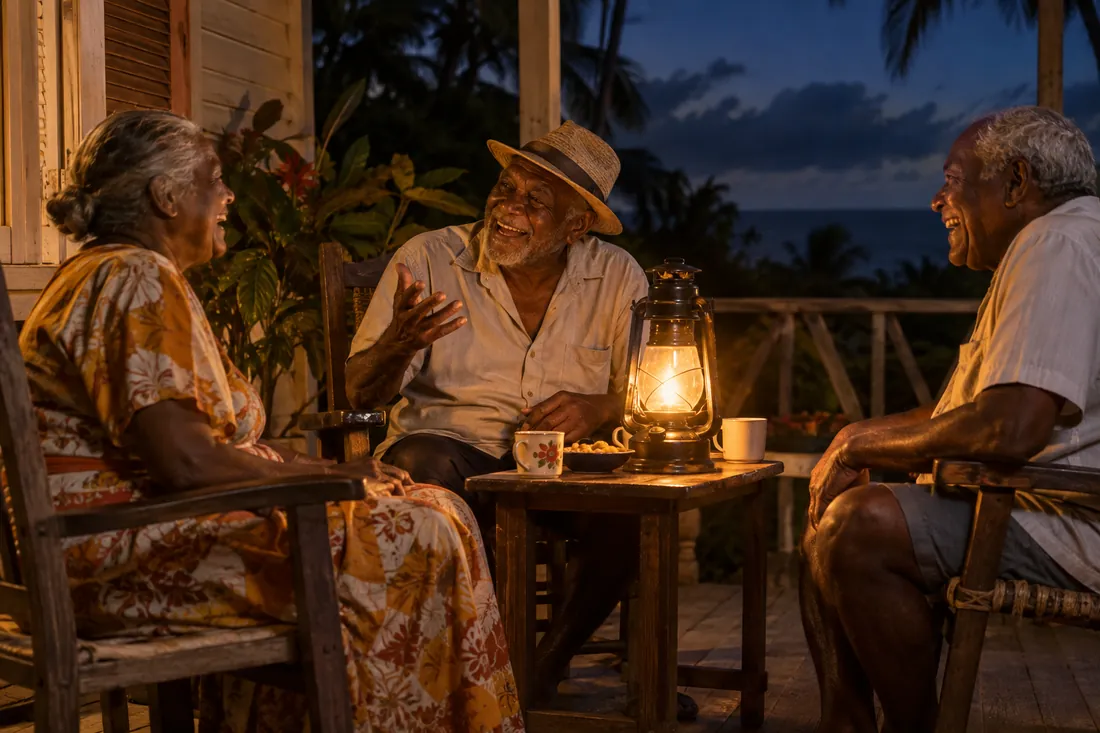
Three elderly Mauritians telling each other stories on a veranda, around an oil lamp
Frequently asked questions

Myths and legends: your questions

Outside the island, it is Paul et Virginie, a 1788 novel inspired by a real shipwreck. On the island itself, the story of the Le Morne maroons carries at least as much weight, because it touches on the history of slavery. Among children, it is more likely Bolom Sounga.

The Mauritian bogeyman. He carries off children who disobey, and parents use him to get themselves listened to. His appearance changes from family to family: a monster or a mysterious old man. We have not found the origin of his name.

The wreck of the Saint-Géran is real, in August 1744, near Île d'Ambre. Paul, Virginie and their love story are invented. The scene with the dress is inspired by a real passenger, Louise Caillou, who is said to have refused to undress in order to save herself.

The Maroons' refuge around Le Morne is well documented. The mass leap of February 1835 remains an oral tale: we found no source confirming it as fact. It still carries great symbolic force, and the site has been a UNESCO World Heritage Site since 2008.

"Naked at midnight": a creature, a sort of Lougarou, reported in February 1994 after Cyclone Hollanda, during the power cuts. It was said to have visited women in their homes at night. Residents of Port-Louis and Lallmatie organised patrols, and nothing was ever proved.

Yes, under the name Lougarou. It is said to blend French and African tales, to come out at full moon and to be used mostly to scare children. According to the belief, you protect yourself by consulting a longaniste or a traiteur.

One version says ships' compasses went haywire on approach because of the metal in the mountain. Another simply mentions dangerous currents. No source settles it. The cannons, however, are really there, at Grand Sable on the east coast.

A milkman from Crève-Cœur comes across fairies dancing on the mountain. They forbid him to speak of it. He tells the story anyway and is turned to stone: this is the head-shaped rock at the top of its 820 m.

For Mauritian Hindus, a dream of the priest Jhummun Giri linked its waters to those of the Ganges in the late 19th century. The lake, formerly called Pari Talao, has been called Ganga Talao since 1972. It is the heart of the Maha Shivaratri pilgrimage.

People have been searching for over a century, notably at Klondike and Belmont, with no discovery announced in what we have read. La Buse, the most famous, was hanged in Réunion in 1730, and some researchers consider his cryptogram a fabrication.

A person you consult about a health, money or love problem, using witchcraft or magic practices. You also hear longanis, and the traiteur is a close relative. The practice remains discreet and touches on families' private lives: speak about it with tact.

Nothing suggests so: the island is of volcanic origin. We also found no reliable source on the "King Kabil" and his tomb, or on a French discoverer named D'Ailly, whom you sometimes read about online, including in an earlier version of this article.

Advisers available
Ready to take the plunge?
  • Free
  • No obligation
  • French-speaking advisers
Request a free call back
Our guides

More guides

Read in November 2026: Wikipedia (Culture of Mauritius, Saint-Géran, Ganga Talao, Pieter Both), Le Mauricien, Défi Media, Sun Life, My Dodo Life, Mautourco, Charles Baissac, Cipher Mysteries after Denis Piat. UNESCO, Jean-Michel Racault and L'Express: extracts only. No agency first-hand experience: these tales have not been checked on the ground. Photos: Gavish Barosee, Benoît Prieur, gailhampshire, Diego Delso, Happolati (Wikimedia Commons, CC BY, CC BY-SA, CC0); Pointe du Diable: Google Maps contributor. Treasures, Bolom Sounga, Lougarou, Ti Albert and vigil: illustrative images.