+33 9 8080 1114
 +230 5457 0712
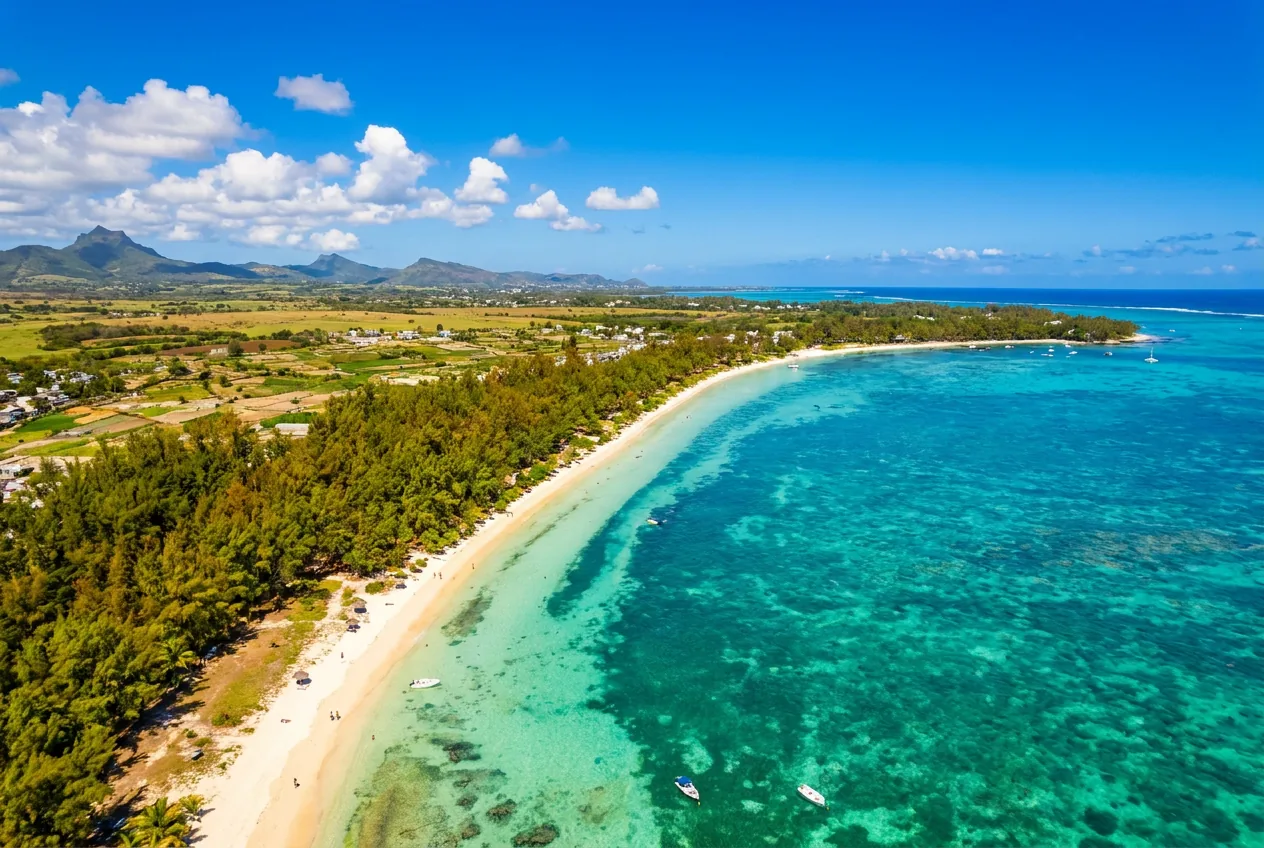 November to AprilThe southern summer20 à 30 °C
- Hot and humid, frequent showers
- Sea at 27-28°C in February and March
- Cyclone season, peaking from January to March

Free, 2 minutes, instant result.
Take the quizA hot, humid summer, a mild, dry winter and regions that are quite different from one another: here is the climate month by month, based on Mauritius Meteorological Services records.
Updated 4 November 2026
In the southern hemisphere the seasons are the reverse of Europe's: it is hot at Christmas and cool in July.
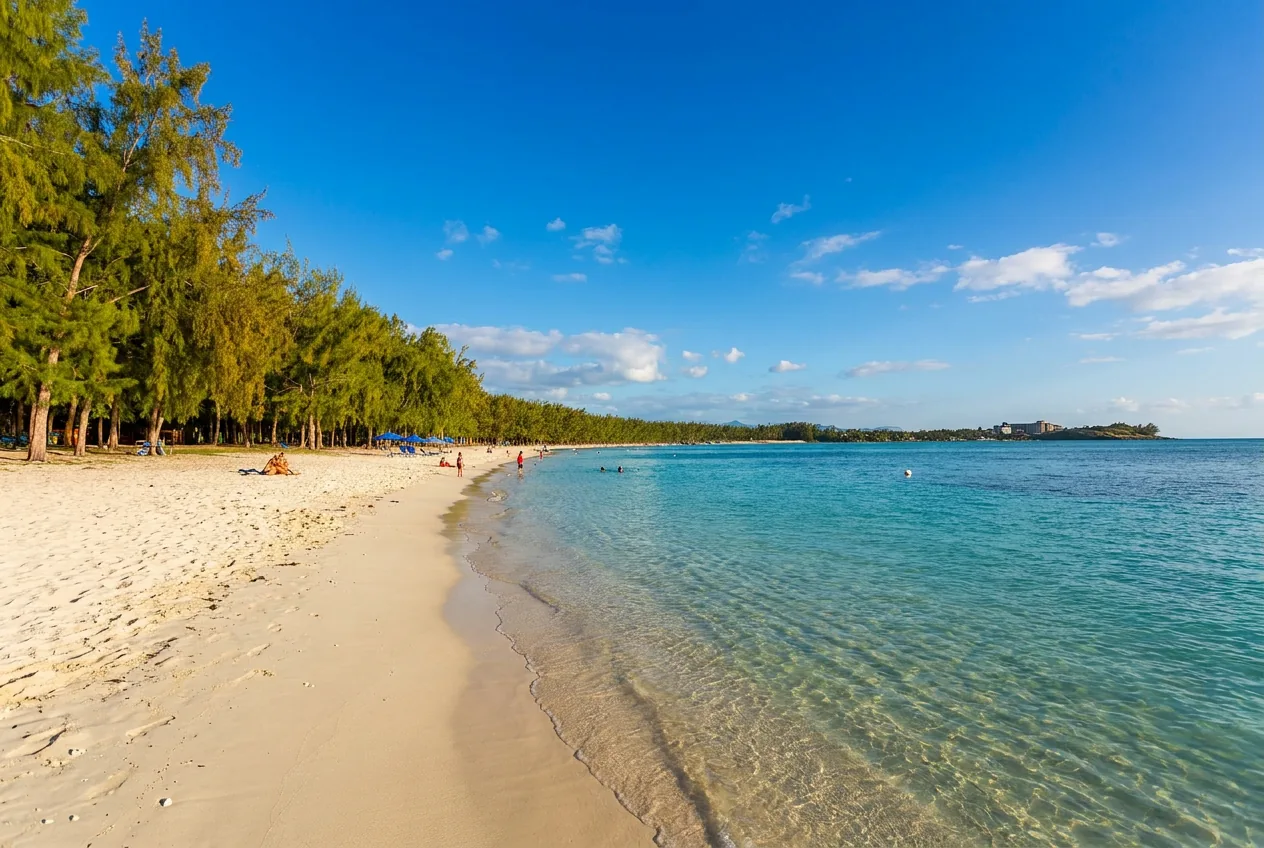
November to AprilThe southern summer20 à 30 °C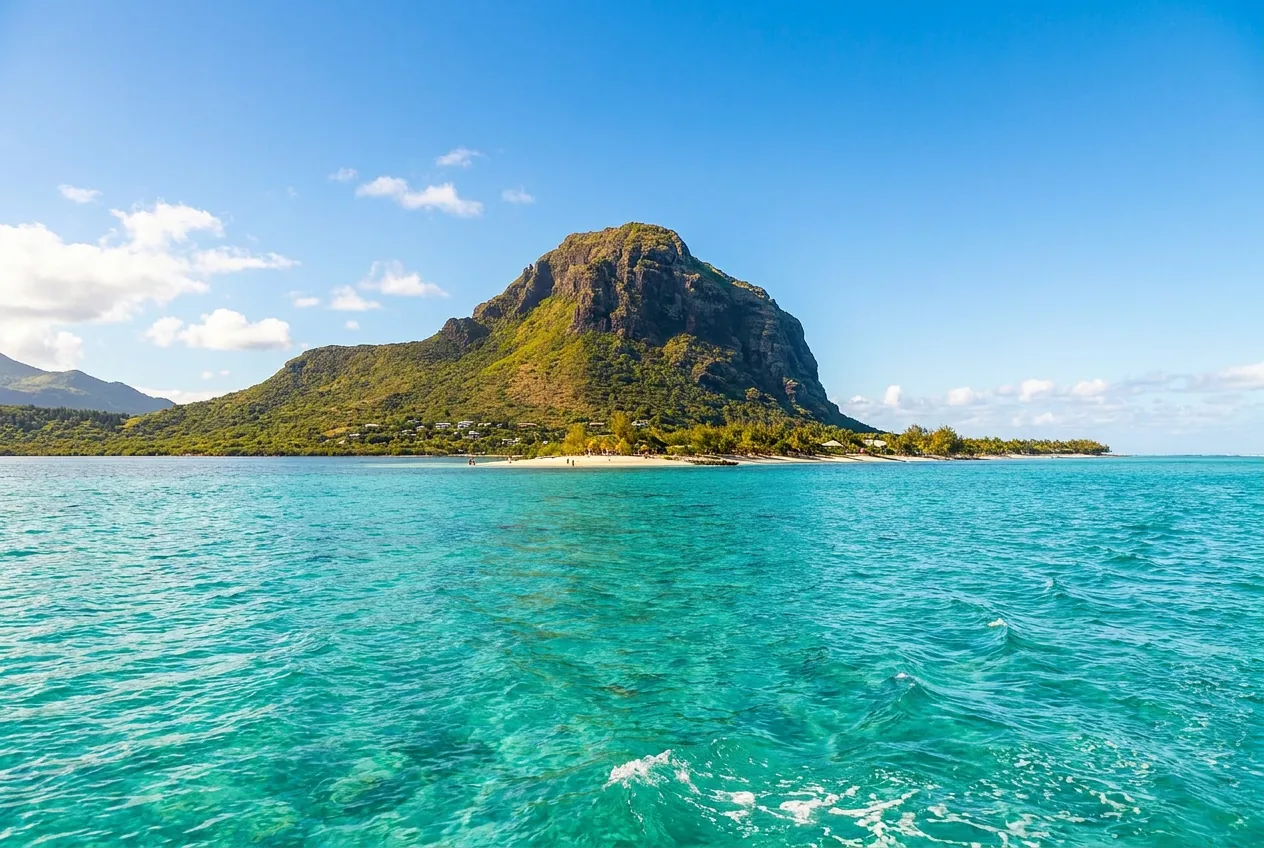 May to OctoberThe southern winter17 à 27 °C
Tap a month to see its temperatures, rainfall and sunrise and sunset times.
Midsummer: hot, humid and, along with February, the wettest month. This is the heart of the cyclone season.
The rainiest month of the year and one of the hottest. Cyclones remain possible.
Still hot, and the sea is at its warmest (27 to 28°C). Rainfall starts to ease.
End of summer: the rains clearly recede and the heat becomes more pleasant.
Start of the austral winter: mild, drier weather. The cyclone season ends on 15 May.
Winter: mild days and cool evenings, especially on the central plateau. The days are at their shortest.
The coolest month: 17 to 25°C on average. Ideal for hiking; pack a jumper for the evening.
Still cool and fairly dry, with the trade winds on the east coast. The sea is at 23-24°C.
The sun returns and rain becomes rare: one of the best months to visit and to settle in.
The driest month of the year, with gentle warmth: the best time for a scouting trip.
The heat returns and the cyclone season opens on 1 November. Still little rain.
Summer sets in: hot, with the rains returning towards the end of the month and a festive atmosphere.
1991-2020 averages for the whole island, Mauritius Meteorological Services. Sunrise and sunset in Port-Louis, on the 15th of the month.
There is no bad season, but every plan has its ideal moment.
 For moving here
May to OctoberDry, mild weather for visiting, relocating and handling paperwork, outside the cyclone season.
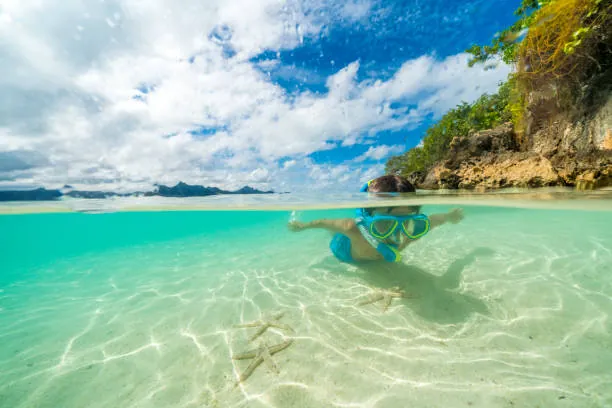 For swimming
December to AprilThe sea is at its warmest, up to 28°C. Expect showers, often short ones.
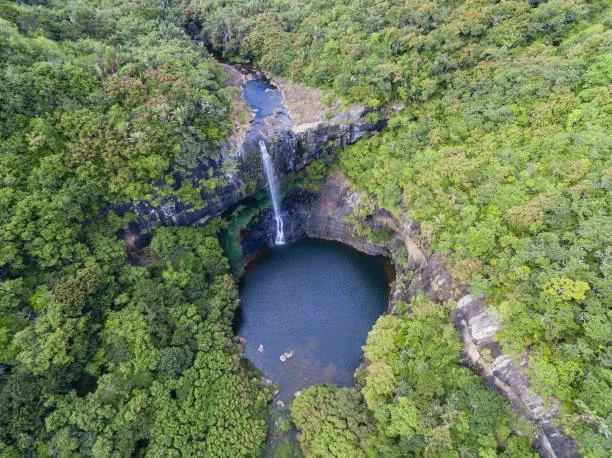 For hiking
June to OctoberCool and dry: the trails in the gorges, Le Morne or Le Pouce are at their best.
The island is small, but the terrain changes everything. The central plateau is 3 to 5°C cooler than the coast, and it gets three times more rain than the west.
The WestThe driest, sunniest coast.
920mm of rain a year
The NorthDry and warm, very pleasant in winter.
1 253mm of rain a year
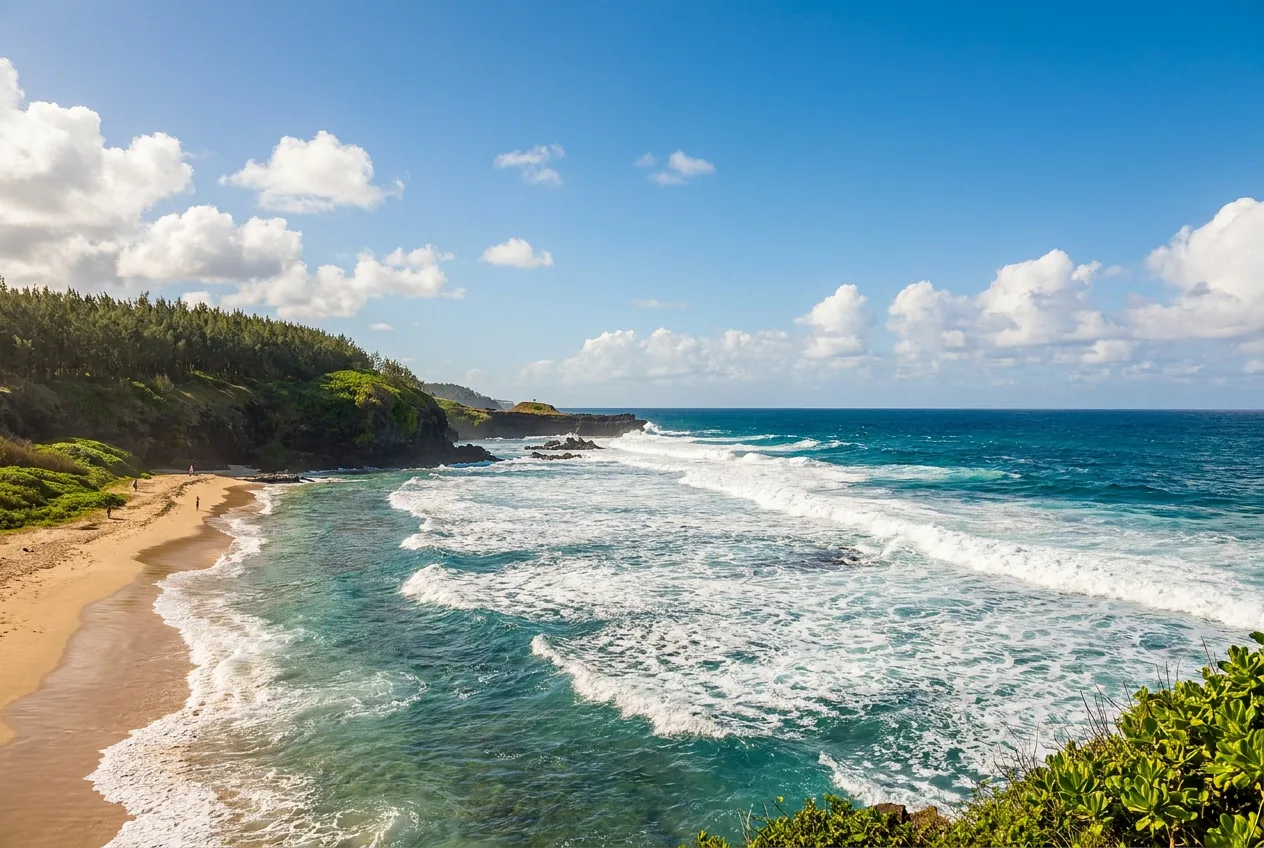 The SouthWet and windy, with no reef at Gris-Gris.
2 540mm of rain a year
The EastCooled by the trade winds, with more rain.
2 640mm of rain a year
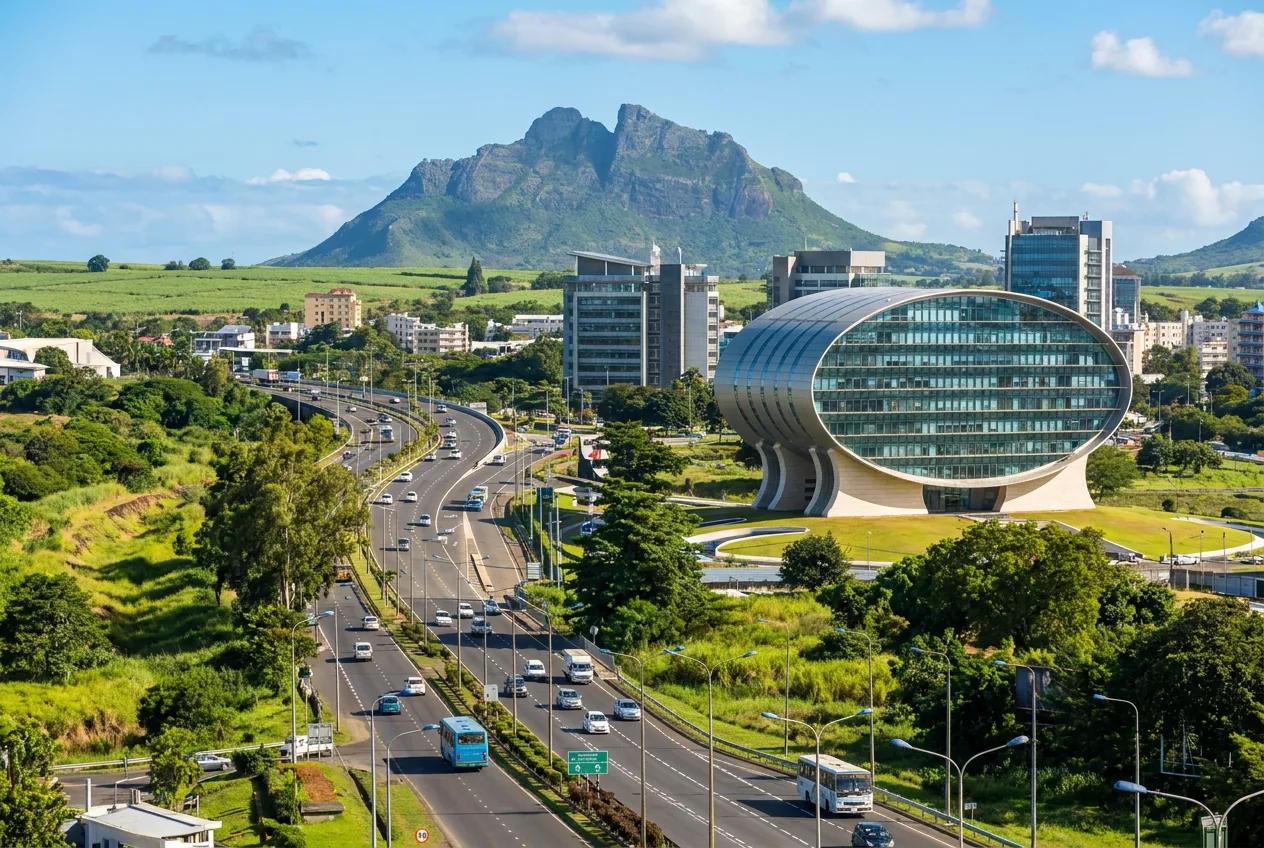 The CentreThe coolest and wettest area, at around 600 m.
2 739mm of rain a year
From 1 November to 15 May, peaking from January to March. Direct hits are rare, once or twice a decade, and the island is very well prepared.
The 4 alert classes of Mauritius Meteorological Services
Life goes on: you do a bit of shopping and check the house.
Schools close. You secure your home and stock up on supplies.
Shops close and no one travels.
Everyone stays indoors until the alert is lifted.
During the season, keep water, batteries, a torch and a few tins of food at home: after a major cyclone, water and electricity can be cut off for a few days.
To visit or settle, the southern hemisphere winter, from May to October: dry, mild and outside the cyclone season. September and October are the driest months. For swimming in warm sea water, choose December to April.
In July and August, the coolest months, it averages 17°C at night and 25°C by day. Evenings are cool, especially on the central plateau: bring a jumper and a duvet.
November is warm and still fairly dry: on average 20°C at night and 28°C by day, with 85 mm of rain. The cyclone season opens on 1 November, but the peak comes later, from January to March.
From 1 November to 15 May, peaking from January to March. Direct hits are rare: once or twice a decade.
Between 5.23am (mid-November) and 6.45am (mid-July). It sets between 5.38pm (mid-June) and 6.55pm (mid-January). Days are therefore shorter than in a French summer.
In the Indian Ocean, east of Madagascar and neighbouring La Réunion, at around 20° south latitude, just north of the Tropic of Capricorn. This gives it its mild tropical climate.
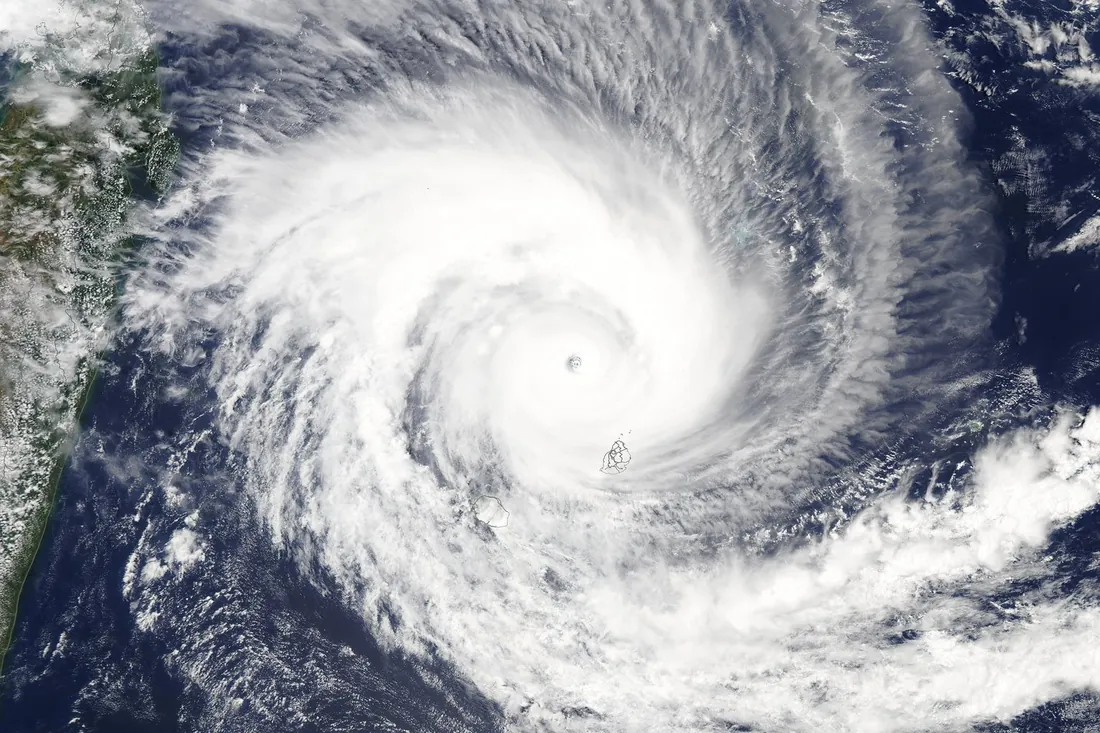
Today's warning, the season's history, classes I to IV and what to do at each stage.
19 November 2026Read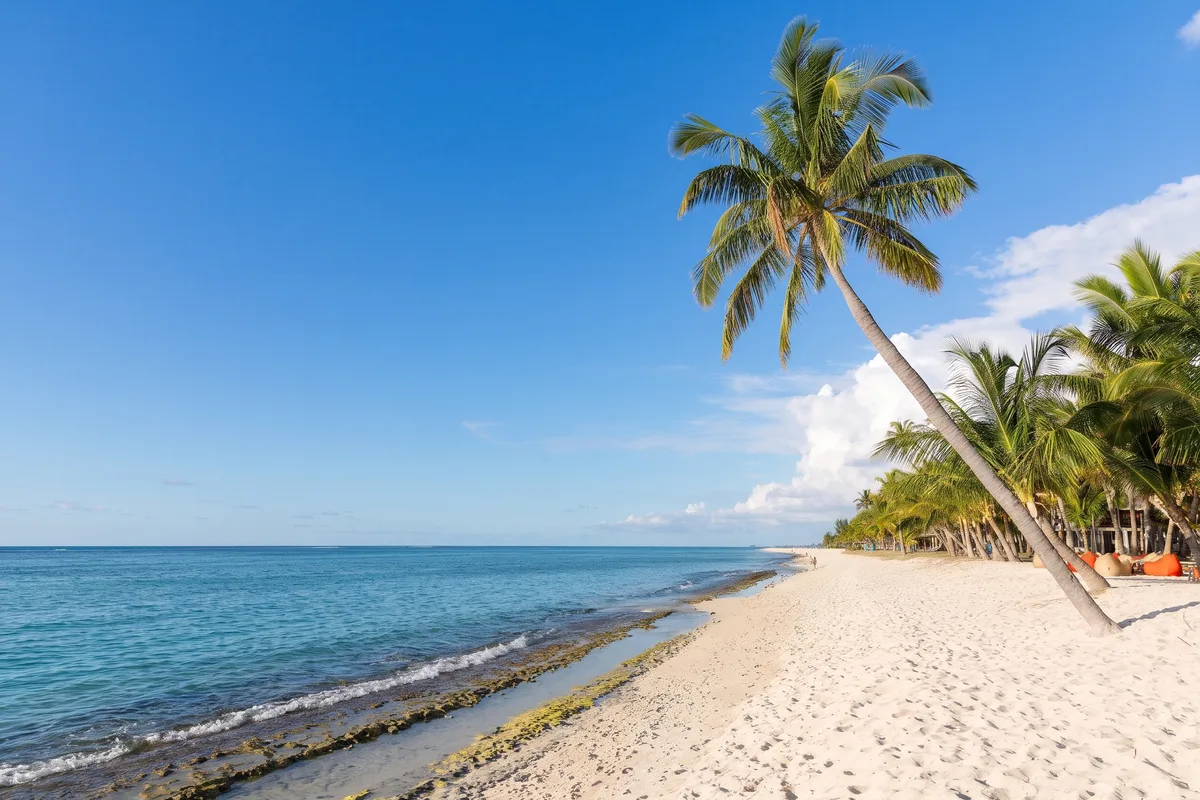
A map and 14 beaches: turquoise lagoon, calm swimming, snorkelling, sunset.
5 November 2026Read
Vaccines, medicines banned by customs, mosquitoes, sun: what to pack in your suitcase.
4 November 2026Read