+33 9 8080 1114
 +230 5457 0712

The essentials in 30 seconds
- Risk number one is mosquitoes: dengue in 2024, chikungunya in 2025 and 2026. The same mosquito transmits both, and it bites mostly during the day.
- At home, leave no standing water: the law punishes water in which larvae develop with a fine of Rs 1,000 to 5,000 (about €98).
- If you have a fever, take paracetamol and see a doctor. No aspirin or ibuprofen until dengue has been ruled out: the WHO advises against them.
- After heavy rain, don't walk barefoot or swim in muddy water: that is how leptospirosis is caught.
- No malaria in Mauritius since 1973. For vaccines, make sure you are up to date with the French schedule and talk to your doctor about hepatitis A and chikungunya.
What is really circulating in Mauritius
Travel guides readily cite a long list of tropical diseases. The Ministry of Health figures tell a different story: two mosquito-borne diseases come back in waves, one disease linked to rainwater is on the rise, and the rest are rare.
| Disease | Cases |
|---|---|
| Dengue, 2023 | 224, of which 17 imported |
| Dengue, 2024 | 6,869, and 8 deaths |
| Chikungunya, 2024 | 2, imported |
| Chikungunya, March-August 2025 | 1,583, no deaths |
| Chikungunya, 2026 to 30 August | 6 891 |
| Leptospirosis, 2024 | 80, and 12 deaths |
| Malaria, 2024 | 39, of which 37 imported |
| Hepatitis A, 2024 | 4 |
| Typhoid, 2023 and 2024 | 0 |
Mauritius island, excluding Rodrigues. Ministry of Health, Health Statistics Report 2024 (January 2026); chikungunya 2025: WHO (3 October 2025); 2026: ECDC, figure taken from our Kit page. The Ministry has published no dengue figures for 2025 or 2026.
In 2024, dengue exploded in February: 2,030 cases in that month alone, and nine cases in ten between February and May. The north, with the Rivière du Rempart district at the top, was the worst affected. In 2026, according to the European Centre for Disease Prevention and Control (ECDC), Mauritius is the country in the region reporting the most chikungunya cases: 6,891 as of 30 August.
Malaria, meanwhile, has disappeared: the WHO certified Mauritius malaria-free in 1973. Almost all of the 39 cases in 2024 were caught abroad, and 2 were transmitted from those cases. No preventive treatment is needed to live in Mauritius.
Against mosquitoes: the habits that protect you
The ministry names the tiger mosquito, Aedes albopictus, as responsible for dengue and chikungunya. According to the WHO, it bites mostly during the day and breeds in very little water: 10 to 12 days are enough for an egg to become an adult mosquito. Symptoms appear 4 to 7 days after the bite: high fever, headache, muscle and joint pain, sometimes a skin rash (ministry leaflet, August 2025).
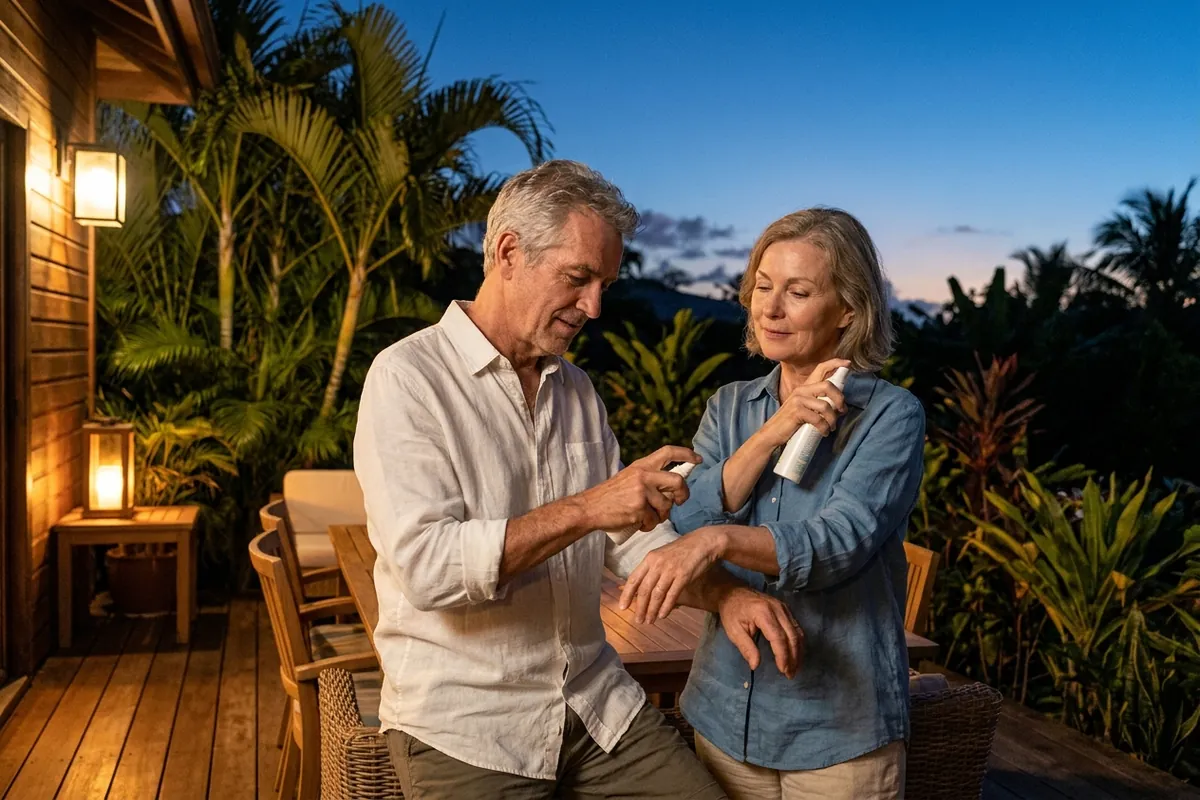
- Change the water in vases and saucers at least once a week;
- Cover water tanks, cisterns and drums, so mosquitoes cannot get in;
- Throw away anything that holds rainwater: tyres, tin cans, buckets, and clear out the gutters;
- Cut back tall grass and hedges, and keep bins closed;
- On yourself: long clothes, repellent, a mosquito net over the bed.
Good to know
Letting water breed larvae on your property is punishable by a fine of Rs 1,000 to 5,000 (about €98) (Public Health Act, section 32A, as recalled by the ministry). Whether you rent or own, keep an eye on the garden, the terrace and the roof.
Fever: the right steps to take
There is no treatment for dengue or chikungunya: the symptoms are eased. According to the WHO, paracetamol relieves fever and pain; ibuprofen and aspirin should be avoided, as they increase the risk of bleeding. The Institut Pasteur says the same.
-
1
As soon as the fever starts
Paracetamol, plenty of water, rest. No aspirin or ibuprofen.
-
2
Next
See a doctor: dengue is confirmed by an examination and a blood test.
-
3
The following days
Follow the doctor's advice to the letter, as the ministry asks.

The ministry can require a person it suspects of being infected to undergo an examination. Refusing is punishable by a fine of up to Rs 10,000 (about €195) and imprisonment of up to 12 months (Public Health Act, section 193). For any question, the ministry hotline answers on 8924.
Good to know
Bleeding from the nose or gums, vomiting that won't stop, severe stomach pain, extreme tiredness: go to A&E or call 114, the SAMU.
Leptospirosis: take care after the rain
Leptospirosis is caught through contact with water or soil contaminated by animal urine, especially from rats: flood water, puddles, rivers. The ministry counted 80 cases in 2024, double the 2023 figure, and 12 deaths. Nearly two cases in three occur between April and July, with May at the top. The Plaines Wilhems, from Curepipe to Beau Bassin, had a third of them.
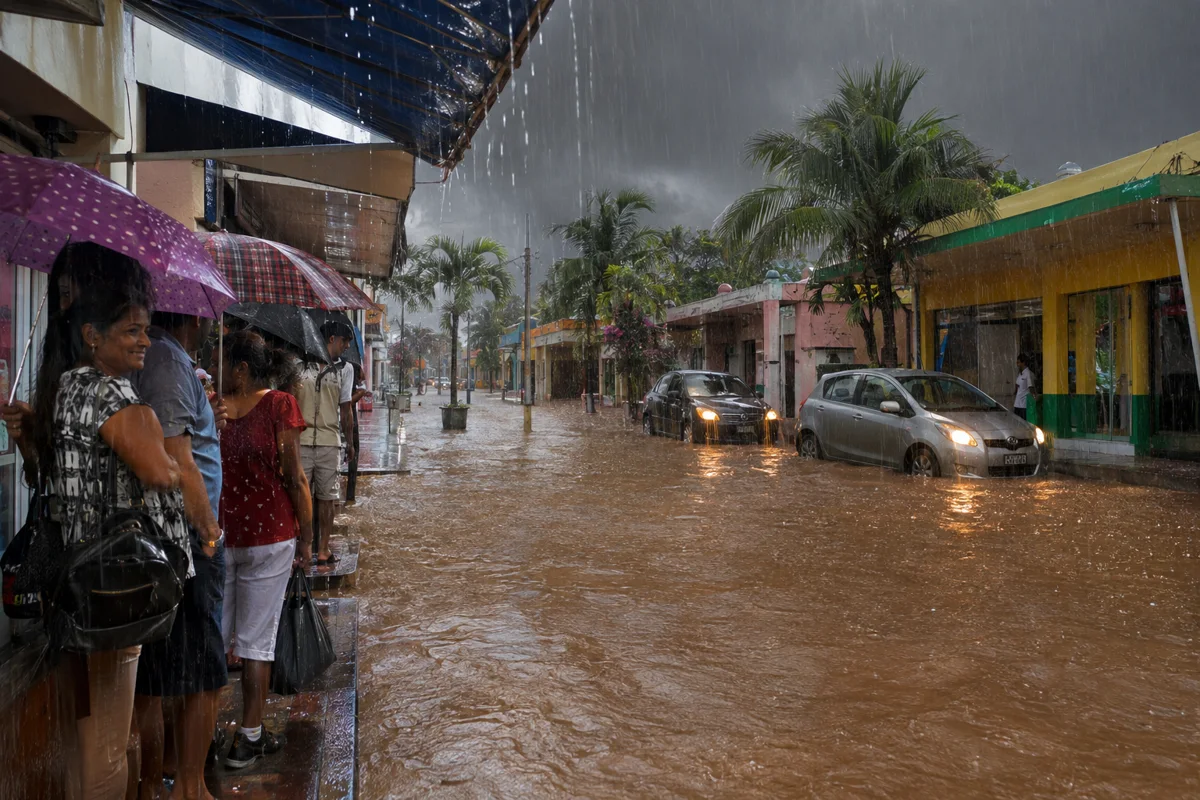
- No going barefoot in muddy water or wet soil;
- Boots and gloves for gardening or cleaning up after a flood;
- A waterproof plaster on any wound or scratch;
- No swimming in a river or freshwater pool after heavy rain;
- No rats: block holes in the house and keep bins closed.
A fever with muscle pain in the days after swimming in a river or cleaning up after rain: tell the doctor.
For tap water, ice cubes, fish and street food, our dedicated page answers situation by situation.
The vaccines to check before you leave
If you are arriving from France, no vaccine is required to enter Mauritius. French diplomatic advice is to be up to date with the French schedule, measles included, and it mentions other vaccines depending on the length and conditions of your stay. If you are moving here, that applies to you.
- Hepatitis A: recommended by the Institut Pasteur and by the US health authorities (CDC);
- Hepatitis B: recommended for unvaccinated people by the CDC. The test is in any case part of the medical examination for the permit;
- Typhoid: mentioned depending on the conditions of your stay, although no case was reported in Mauritius in 2023 or 2024. To be decided with your doctor;
- Chikungunya: French diplomatic advice mentions it in the event of an epidemic or a long stay;
- Yellow fever: nothing to do if you are coming from France. If you arrive from a country where it circulates, French diplomatic advice says a certificate may be required.
For chikungunya, two vaccines exist. In France, the Haute Autorité de santé confirmed in April 2026 that Ixchiq can only be offered between the ages of 18 and 64. It recommends Vimkunya from the age of 65; between 12 and 64, it can be offered to people with no other illness.
Our advice
Book an appointment at an international vaccination centre one to two months before you leave, and bring your vaccination record: the doctor can see at a glance what is missing and what can be done on the same day.
Getting treated without nasty surprises
There is no social security agreement between France and Mauritius. A bout of dengue that involves the doctor, the laboratory and sometimes the clinic has to be paid for: it is the health insurance you chose before leaving that reimburses you. Keep all your invoices.
Emergency departments in public hospitals are open day and night. Our page on hospitals and clinics sets out the public and private options, prices and insurance.
Are you preparing your move to Mauritius? We put together your residence permit application and tell you which clinics can carry out the tests for the medical certificate.
Sources: Ministry of Health of Mauritius: Health Statistics Report 2024 (January 2026), leaflet "Chikungunya and dengue" (August 2025), operational plan against leptospirosis (June 2024); WHO (3 October 2025 bulletin on chikungunya, dengue fact sheet of 21 August 2025, countries certified malaria-free); ECDC (7 August 2026); Institut Pasteur; Haute Autorité de santé (14 April 2026); diplomatie.gouv.fr (Mauritius, health, 15 September 2026); CDC (Mauritius, 25 August 2026). Read in November 2026.